Mechanical Butterfly: A Designer’s Review for Brand Merch
As an embroidery designer who has spent years digitizing and testing patterns for small businesses, I approach every new machine embroidery design with a critical eye. It is not just about whether a pattern looks pretty on a screen; it is about how it translates to fabric, how it holds up in production, and ultimately, how it serves the brand identity of the client. Recently, I reviewed the Mechanical Butterfly, a unique entry in the Bugs Insects category that promises to let your imagination fly. While the product description suggests it is gorgeous for curtains, my focus here is strictly on its viability for small business merch, branded patches, and custom apparel.
First Impressions: Visual Personality and Style
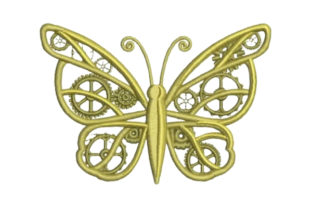
The title Mechanical Butterfly immediately sets a specific tone. It suggests a fusion of nature and industry, blending organic shapes with structured, perhaps steampunk or modern geometric elements. This is a crucial distinction for branding. Unlike a standard floral or realistic insect design, this piece feels intentional, crafted, and slightly edgy. For a boutique, creative studio, or tech-forward handmade brand, this aesthetic can signal innovation and attention to detail.
Visually, the design appears to balance elegance with complexity. The "mechanical" aspect implies clean lines and possibly intricate detailing that mimics gears, wires, or segmented wings. This makes it feel premium rather than purely decorative. For a business owner, this means the design can elevate a simple item into a conversation piece. It does not scream "craft fair leftover"; it whispers "curated brand asset." However, this complexity requires careful handling during the embroidery process to ensure it remains legible and professional.
Real-World Applications for Small Business Merch
When evaluating a digital embroidery file for commercial use, I always ask: where does this live on a product? The Mechanical Butterfly offers versatile applications for various industries, from bakeries to florists, provided the scale is managed correctly.
- Embroidered Patches: This is arguably the strongest use case. A patch allows for controlled hoop size and stabilizer use. The mechanical details can shine here without the distortion risks of sewing directly onto stretchy fabrics. These patches can be sold as standalone accessories or used to brand packaging.
- Apron Embroidery: For cafes, florists, or artisan bakeries, placing this design on the chest pocket or upper back of an apron adds a touch of whimsy and professionalism. It reinforces the handmade product narrative while keeping staff uniforms distinct.
- Tote Bag Design: Canvas totes are staples for Etsy sellers and retail shops. The contrast of thread colors against natural canvas can make the mechanical elements pop, creating a high-value perceived item for customers.
- Cap Embroidery: Use with caution. The curved surface of a cap front can distort intricate mechanical lines. If used here, it should be simplified or enlarged to maintain clarity.
- Branded Product Add-ons: Imagine this design sewn onto the tag of a handmade garment or as a small accent on a leather goods label. It acts as a seal of quality.
Navigating Technical Challenges in Production
While the Mechanical Butterfly is visually striking, its complexity presents technical hurdles that must be addressed before full-scale production. As a designer, I advise checking several key factors to avoid costly mistakes in your commercial embroidery projects.
Stitch Density and Fabric Texture: Mechanical designs often rely on fine lines and tight spacing. If the stitch density is too high, it can cause puckering, especially on lighter fabrics like cotton shirting or curtain material. Conversely, if the density is too low on textured fabric, the underlying material may show through, breaking the illusion of the mechanical structure. Always test on the actual fabric you intend to use.
Size Limitations: Do not assume this design scales infinitely. Shrinking a complex embroidery file to fit a small patch or a baby onesie can result in thread breaks and lost detail. The "mechanical" elements may merge into a blob if reduced below a certain threshold. I recommend creating a printable mockup at the intended size to check legibility before stitching.
Thread Colors and Contrast: The success of this design hinges on thread color choice. Using monochromatic threads might hide the mechanical details, while high-contrast colors can emphasize them. For dark uniforms, consider using metallic or bright threads to highlight the "gear" aspects, but ensure the thread weight is appropriate for the needle size to prevent shredding.
Impact on Brand Identity and Customer Trust
In the world of small business merch, consistency is key. The Mechanical Butterfly can significantly enhance brand identity if it aligns with your overall visual language. For a brand that values precision, creativity, and a touch of the unconventional, this design reinforces those values. It signals to the customer that the business cares about aesthetics and quality.
Furthermore, using a unique design like this differentiates your finished product from competitors using generic clipart. When a customer receives a tote bag or apron with a well-executed, intricate embroidery, it builds trust. It suggests that the business invests in high-quality design assets and takes pride in their presentation. This emotional connection can drive repeat purchases and higher engagement on social media, where visual appeal drives shares and saves.
Practical Designer Notes for Implementation
Before you purchase or begin production with the Mechanical Butterfly, follow this checklist to ensure professional results:
- Verify File Formats: The description states it comes with multiple embroidery files. Ensure these formats are compatible with your specific machine software (e.g., PES, DST, JEF). Convert if necessary using reliable software to avoid stitch errors.
- Check Commercial Licensing: Confirm that the license allows for physical product sales. Some digital embroidery files are for personal use only. Never assume; always read the terms.
- Test on Scrap Fabric: Run a test stitch-out on the same fabric and stabilizer combination you plan to use for production. Check for registration issues where colors meet.
- Evaluate Hoop Size: Ensure the design fits comfortably within your available hoop size with adequate margin for clamping. Do not crowd the edges.
- Create Client Mockups: If you are designing for a client, present a realistic printable mockup alongside the test stitch. This manages expectations and allows for approval before committing to final materials.
- Consider Washability: If the end product will be washed frequently, such as staff uniforms, ensure the stitch structure is secure. Dense mechanical designs can sometimes pull on fabric over time if not properly stabilized.
In conclusion, the Mechanical Butterfly is a compelling choice for businesses looking to add a distinctive, high-quality touch to their merchandise. It moves beyond simple decoration to become a strategic brand asset. By respecting its technical requirements and applying it thoughtfully to patches, aprons, and totes, you can create memorable, professional products that resonate with your audience. Always prioritize testing and licensing compliance to protect your business and deliver the best possible finished product.