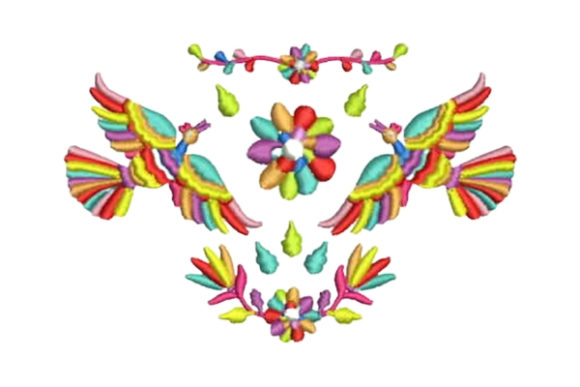
Otomi Design Review: Elevate Your Brand Merch
As an embroidery designer who has spent years digitizing and testing thousands of motifs for commercial use, I approach every new machine embroidery design with a critical eye. It is not just about whether a pattern looks pretty on a screen; it is about how it performs under the needle, how it holds up after washing, and most importantly, how it serves the brand identity of the small business owner purchasing it. Recently, I had the opportunity to review the Otomi Design, a piece rooted in the rich textile traditions of Mexico. This review focuses on its viability for small business merchandise, branded patches, and custom apparel applications.
First Impressions: Visual Personality and Aesthetic Appeal
The first thing that strikes you about the Otomi Design is its vibrant energy. Described as a gorgeous Mexican embroidery design, it carries the weight of cultural heritage while offering a modern application for contemporary brands. The visual personality is bold, decorative, and undeniably handmade in feel, even though it is produced by a machine. The use of beautiful satin stitches gives the motif a luxurious sheen that catches the light, adding a premium touch to any fabric surface.
For small business owners, particularly those in the creative, boutique, or hospitality sectors, this aesthetic is powerful. It does not scream "corporate sterile"; instead, it whispers "artisanal quality." Whether you run a local bakery, a florist shop, or an Etsy store selling handmade goods, this design communicates warmth and authenticity. It feels friendly yet professional, making it an excellent candidate for brands that want to stand out through visual storytelling rather than minimalist logos alone.
Real-World Business Applications
The true test of any digital embroidery file is its versatility in real-world scenarios. Here is how I envision the Otomi Design performing across various product lines for small businesses:
- Embroidered Patches: This is perhaps the strongest use case. The intricate details and satin stitch work translate beautifully into iron-on or sew-on patches. These can be sold as standalone products or used as value-added extras for clothing purchases. A patch allows customers to customize their own jackets or bags, increasing engagement with your brand.
- Staff Uniforms and Aprons: For cafes and boutiques, staff appearance is part of the customer experience. Placing this design on the chest pocket of a denim apron or the sleeve of a work shirt adds a touch of elegance. It elevates a standard uniform into a branded asset that employees are proud to wear.
- Cap Embroidery: Caps are high-margin items for merch creators. The Otomi motif works well on the front panel of a structured cap, provided the size is adjusted correctly. It offers a unique alternative to standard text-only logos, appealing to customers looking for fashion-forward headwear.
- Tote Bag Design: Canvas tote bags are staples for eco-conscious brands. The bold colors and distinct shapes of the Otomi pattern pop against natural canvas textures. It transforms a simple bag into a statement piece, effectively turning your customers into walking billboards for your business.
- Event Merch and Customer Gifts: If you host workshops or pop-up markets, incorporating this design into limited-edition merchandise creates urgency and exclusivity. It also makes for thoughtful customer gifts, such as embroidered coasters or small pouches, enhancing customer loyalty.
Technical Considerations for Production
While the Otomi Design is visually stunning, successful production requires attention to technical details. As a designer, I always advise checking specific file specifications before running a full batch. Since the product description notes that it comes with multiple embroidery file formats, you likely have options for different hoop sizes. However, you must verify the recommended hoop size and stitch count for your specific machine.
Stitch density is a crucial factor here. Satin stitches, while beautiful, can be dense. On lightweight fabrics, this may cause puckering if not properly stabilized. I strongly recommend using a cut-away stabilizer for garments that will be washed frequently, such as t-shirts and aprons. For hats, a stiff backing is essential to maintain the structure of the design.
Another consideration is fabric texture. The design looks best on smooth, tightly woven fabrics like twill, denim, or high-quality cotton. Avoid using it on highly textured materials like rough linen or fuzzy fleece unless you test extensively, as the fine details of the satin stitches may get lost or distort.
Where to Use Caution
Not every application is suitable for this level of detail. Be cautious when scaling the design down for very small patches or left-chest logos on thin polo shirts. Tiny lettering or intricate outlines within the Otomi pattern may merge or break if reduced too much. Additionally, consider the color contrast. If you are embroidering on dark uniforms, ensure your thread colors are bright enough to stand out. A lack of contrast can make the design look muddy from a distance.
Always test the design on a scrap piece of the actual fabric you intend to use. Check for thread breaks, nesting, and registration issues. Create a printable mockup to show clients or stakeholders how the finished product will look, managing expectations before production begins.
Impact on Brand Identity and Value
Incorporating the Otomi Design into your product line does more than just add decoration; it strengthens your brand identity. In a market saturated with generic print-on-demand items, embroidered merchandise signals higher quality and attention to detail. Customers perceive embroidered items as more durable and valuable, which can justify a higher price point for your small business merch.
Furthermore, using a design with cultural roots, when done respectfully, can connect your brand to themes of craftsmanship and tradition. This resonates deeply with buyers who value authenticity and ethical production. It helps build trust and recognition, as the unique visual style becomes associated with your business. Consistent use of this design across your design assets—from packaging accents to social media visuals—creates a cohesive brand experience.
Practical Designer Notes for Buyers
Before you purchase and produce, keep these final tips in mind:
- Test in Black and White: Before committing to colorful threads, stitch out the design in black and white to check for clarity and definition. If it looks good in monochrome, it will look great in color.
- Check Commercial Licensing: Ensure that the license included with the digital embroidery file permits commercial use. Most designers offer different licenses for personal vs. commercial production. Confirm this before selling any finished product.
- Thread Color Contrast: Choose thread colors that complement your brand palette but also provide enough contrast against the fabric. High-contrast combinations ensure the design is visible and impactful.
- Compare with Other Assets: Place the Otomi motif beside your existing logo and branding elements. Does it clash or complement? It should enhance, not compete with, your primary brand marks.
- Verify File Formats: Confirm that the package includes the format compatible with your embroidery machine (e.g., PES, DST, JEF). Having the right file prevents last-minute conversion issues that can alter stitch quality.
In conclusion, the Otomi Design is a versatile and high-quality addition to any embroidery designer’s library. For small business owners looking to elevate their custom apparel and merchandise, it offers a blend of artistic beauty and commercial viability. With proper testing and attention to detail, it can become a signature element of your brand, driving engagement and adding tangible value to your products.