Pumpkin Spice: A Designer’s Review for Small Business Merch
As an embroidery designer who has spent years digitizing files for boutique brands and local businesses, I approach every new machine embroidery design with a critical eye. It is not just about whether a pattern looks pretty on a screen; it is about how it performs in the real world of commercial production. Recently, I reviewed Pumpkin Spice, a seasonal design that promises to satisfy autumn cravings with its charming aesthetic. For small business owners, Etsy sellers, and apparel decorators, understanding the practical application of this file is crucial before committing to bulk production.
First Impressions: Visual Personality and Brand Fit
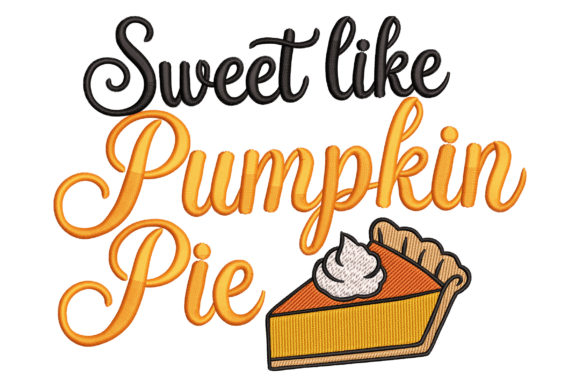
The first thing that strikes you about Pumpkin Spice is its balanced typographic hierarchy. The description highlights a mix of bold black script and warm orange lettering, which immediately signals a specific mood. It feels friendly yet professional, striking a chord between rustic charm and modern decorative appeal. For brands operating in the food, beverage, or handmade sectors, this visual personality is invaluable. It does not scream for attention with neon brightness but rather invites the viewer in with a sense of warmth and nostalgia.
From a branding perspective, this design fits seamlessly into the Autumn category without feeling cliché. The use of script suggests a handmade, artisanal quality, which is exactly what customers look for when purchasing from independent creators. Whether you are running a local bakery, a florist shop, or a creative studio, this design communicates comfort and quality. It is playful enough for customer gifts but elegant enough to serve as a subtle mark on staff uniforms.
Real-World Applications for Small Business Merch
When evaluating a digital embroidery file for business use, I always consider versatility. Pumpkin Spice offers several strong avenues for integration into your product line. Here is how I envision this design performing across different merchandise types:
- Embroidered Patches: This is perhaps the strongest use case. The bold lettering and distinct color separation make it ideal for iron-on or sew-on patches. These can be sold as standalone accessories or used to upgrade plain tote bags and denim jackets, adding immediate value to your small business merch.
- Apron Embroidery: For cafes and bakeries, branding on aprons is essential. The warm orange tones stand out beautifully against neutral canvas or dark denim aprons. It creates a cohesive look for staff while reinforcing brand identity during customer interactions.
- Cap Embroidery: Placing this design on the front or side of a baseball cap can create a trendy, wearable advertisement. However, the curvature of the cap requires careful digitizing to ensure the text remains legible and does not distort.
- Tote Bag Design: Canvas totes are staples for boutique retail. A centered Pumpkin Spice motif transforms a basic bag into a seasonal statement piece, encouraging customers to use it repeatedly, which increases brand visibility.
- Custom Apparel: Think beyond standard t-shirts. Consider fleece vests or flannel shirts where the texture of the fabric complements the cozy vibe of the design. This works exceptionally well for event merch or limited-edition drops.
Technical Considerations and Production Challenges
While the aesthetic appeal is high, technical execution is where many projects fail. As a designer, I must advise caution regarding specific production variables. The mix of script and block lettering in Pumpkin Spice means you must pay close attention to stitch density. If the density is too high on lightweight fabrics, you risk puckering. Conversely, if it is too low on textured fabrics, the underlying material may show through, ruining the crispness of the black script.
Here are critical technical points to review before you start stitching:
- Fabric Texture and Stabilizer: Always test the design on the actual fabric you intend to use. A heavy cut-away stabilizer might be necessary for knits to prevent distortion, while a tear-away could suffice for woven cottons. The fabric texture plays a huge role in how the orange and black threads pop.
- Size Limitations: Do not assume this design scales infinitely. Tiny lettering in script fonts can become illegible if reduced too much for small chest logos or tiny patches. Check the minimum recommended size in the file details.
- Thread Color Contrast: The success of this design relies on the contrast between the bold black and warm orange. Ensure your thread library has high-quality colors that match the digital preview. Poor quality thread can make the orange look muddy or the black appear gray.
- Hoop Size: Confirm the required hoop size before setting up your machine. If the design is large, you may need a multi-position hoop strategy, which increases production time and the risk of alignment errors.
Enhancing Brand Identity and Customer Trust
Using a well-executed design like Pumpkin Spice does more than just decorate a product; it builds trust. When customers see consistent, high-quality embroidery on your packaging, uniforms, or merchandise, they perceive your brand as professional and established. It signals that you care about the details. This perception directly influences buyer engagement and can justify a higher price point for your handmade product offerings.
Furthermore, seasonal designs help keep your brand relevant. By rotating assets like Pumpkin Spice into your lineup, you create urgency and excitement. Customers love limited-time items, and having a dedicated autumn design allows you to tap into seasonal shopping trends effectively. It also provides excellent content for social media, especially if you share behind-the-scenes videos of the embroidery process.
Practical Designer Notes for Implementation
Before you launch this design into your commercial workflow, follow these steps to ensure a flawless finished product:
- Test in Black and White: Before committing to colored threads, stitch out a sample in black and white. This helps you evaluate the clarity of the script and the spacing between letters without the distraction of color.
- Create a Printable Mockup: Use a printable mockup to visualize how the design looks on different items. This is essential for client approval if you are doing custom work or for marketing materials before you have physical samples.
- Check Commercial Licensing: Always confirm the license terms associated with the embroidery file. Ensure you have the right to use it for commercial embroidery projects, especially if you plan to sell items featuring the design.
- Compare with Existing Assets: Place Pumpkin Spice beside your other design assets. Does it complement your existing logo? Does it clash with your usual color palette? Consistency is key to strong brand recognition.
- Verify File Details: Since specific technical data like exact stitch count or file format compatibility was not detailed in the brief description, you must check the provider’s specifications. Ensure the file format matches your machine (e.g., PES, DST, JEF) to avoid conversion issues that can degrade quality.
In conclusion, Pumpkin Spice is a versatile and emotionally resonant design that holds significant potential for small businesses. By respecting the technical nuances of embroidery production and strategically placing the design on appropriate merchandise, you can elevate your brand presence this season. Remember, the goal is not just to stitch a pattern, but to create a tangible connection with your customers through quality and style.