Wolf Embroidery Design: A Craft Fair Seller’s Review
As an embroidery designer who has spent countless weekends behind a booth table, I know that not every machine embroidery design is created equal. Some look stunning on a screen but fail to capture attention in person. Others are so dense they break needles or pucker fabric. Today, I am reviewing the Wolf design, a piece from the Wild Animals category, to determine if it deserves a spot in your next craft fair lineup.
The premise is simple: this is a high-quality embroidery ready for your next sewing project. It comes with multiple embroidery file formats, making it compatible with various machines. But does it have the visual punch required to stop a scrolling thumb on Etsy or a wandering eye at a local market? Let’s break it down from a production and sales perspective.
First Impressions: Bold, Rustic, and Marketable
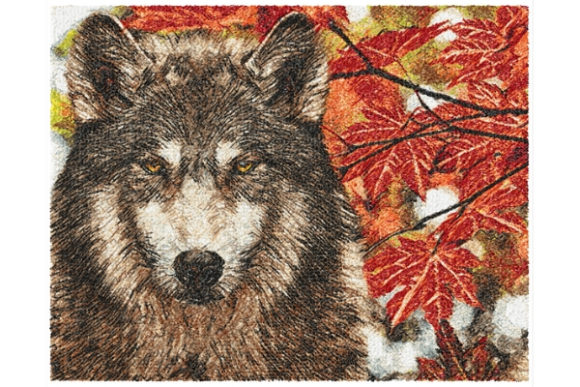
When I first loaded the Wolf design into my software, the immediate impression was one of rustic elegance. Wolf imagery sits in a unique niche within the Wild Animals genre. It is not as ubiquitous as floral patterns, nor is it as childish as cartoon animals. This gives it a mature, adventurous appeal that resonates strongly with specific buyer demographics: outdoor enthusiasts, fans of cabin decor, and those who appreciate symbolic, powerful imagery.
The design feels bold. In a crowded craft fair environment, boldness is currency. Customers walking past your booth have seconds to decide whether to stop. A wolf motif, typically associated with loyalty, instinct, and freedom, carries an emotional weight that can elevate a simple handmade product into a meaningful gift. Whether the style leans toward realistic shading or modern minimalism, the subject matter itself commands attention.
Product Applications: Where Wolf Shines
To maximize sales, you must pair the design with the right substrate. Here is how I envision the Wolf performing across different items:
- Tote Bags and Market Bags: A large-scale tote bag design featuring a wolf head or silhouette works exceptionally well on canvas or heavy cotton. The sturdy fabric supports the stitch weight, and the natural texture complements the wild theme. This is a high-margin item that photographs beautifully for online listings.
- Apron Embroidery: For a boutique kitchenware line, placing a smaller wolf emblem on the bib of a denim or canvas apron adds a touch of rugged charm. It appeals to the "farm-to-table" aesthetic that is currently trending among foodies and home cooks.
- Tea Towel Embroidery: This requires caution. Tea towels are thin and textured. If the Wolf design has high stitch density, it may pucker the fabric. However, if the design is optimized with lighter fill stitches, it can create a lovely heirloom-quality kitchen textile. Always test on your specific towel brand.
- Embroidered Patches: This is perhaps the strongest application. Patches are low-risk, high-volume sellers. A wolf patch can be ironed onto jackets, backpacks, or hats. Because patches are often made on stiff stabilizer and cut away, you do not have to worry about fabric distortion, allowing the intricate details of the digital embroidery file to shine.
- Caps and Hats: Curved surfaces are tricky. If the Wolf design is wide, it may distort on a standard cap front. Look for a vertical or compact version of the design. If available, a smaller, simplified wolf icon works best here to maintain clarity without excessive underlay showing through.
Production Practicality for Small Shop Owners
For an Etsy seller or small shop owner, time is money. The description states that this machine embroidery design comes in multiple formats, which is a crucial feature. It means you can likely find a version optimized for your specific hoop size. Before committing to a large batch, you must verify the hoop size requirements. A design that requires a 5x7 hoop limits your ability to use smaller, faster hoops for quick items like coasters or ornaments.
Batch production is key to profitability at craft fairs. Does the Wolf design run cleanly? Complex animal designs often suffer from long jump stitches or dense areas that cause thread breaks. I recommend running a test on scrap fabric identical to your final product. Check for:
- Thread Contrast: Wolf fur involves subtle gradients. Ensure your thread colors provide enough contrast to define the features without looking muddy. Monochromatic schemes (e.g., shades of grey or brown) often look more premium than rainbow palettes for this subject.
- Stitch Density: High density looks luxurious but uses more thread and takes longer to stitch. For a craft fair product, balance is essential. Too dense, and the item becomes stiff; too light, and the backing shows through.
- Stabilizer Choice: For woven fabrics like tote bags, a cut-away stabilizer is usually best to prevent stretching over time. For knits or stretchy pouches, ensure you use a stabilizer that prevents the design from warping after washing.
Visual Appeal and Brand Consistency
The Wolf design can serve as a cornerstone for brand consistency. If your brand identity leans toward nature, wilderness, or strength, this Embroidery asset reinforces that narrative. When customers see a cohesive collection—wolf pillows, wolf patches, wolf aprons—they perceive higher value. It suggests a curated collection rather than random items.
Photography plays a massive role in perceived value. A wolf design often looks best in natural lighting. Use props like pine cones, flannel fabrics, or wood textures in your printable mockup or actual photos to enhance the rustic vibe. This context helps the buyer visualize the finished product in their own home or wardrobe.
Careful-Use Notes and Common Pitfalls
While the potential is high, there are pitfalls to avoid. Tiny details in animal eyes or fur can get lost if the design is scaled down too much. If you plan to sell small items like coin purses, ensure the Wolf design remains legible at that size. If the original file is large, ask the designer if a scaled-down version is available or use software to simplify the stitch count for smaller applications.
Additionally, be mindful of dark fabrics. Embroidering a dark wolf on black fabric will disappear. You need high-contrast thread colors or a design specifically digitized for dark garments, which might include a satin stitch border to make the image pop. Textured towels can also swallow fine details; in such cases, a bolder, less detailed version of the wolf is preferable.
Final Verdict for Creative Entrepreneurs
The Wolf design is a strong contender for your commercial embroidery library. Its versatility across tote bags, patches, and home decor makes it a flexible asset. For digital sellers, offering this as part of a bundle could increase average order value. For physical product makers, it offers the bold aesthetic needed to stand out in a saturated market.
Remember, the quality of the final item depends on your execution. Test your tension, choose the right stabilizer, and respect the fabric texture. By treating this design assets with professional care, you can transform a simple digital file into a best-selling small shop product. Always confirm commercial licensing terms before selling, as rights vary by designer. If the license allows, the Wolf is ready to help you howl your way to higher sales.