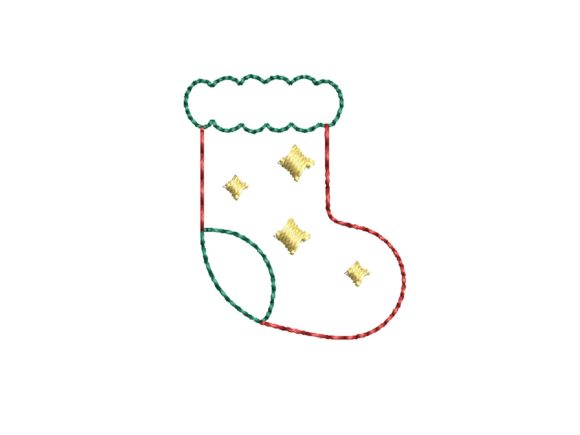
Reviewing the Small Christmas Sock Embroidery Design
As a designer who has spent countless hours digitizing and testing machine embroidery patterns, I have learned that the simplest shapes often present the most significant challenges. When I first loaded the Small Christmas Sock design into my software, my initial reaction was one of cautious optimism. It is easy to dismiss a small, iconic motif as trivial, but in the world of commercial embroidery and handmade goods, these tiny details are what define the perceived quality of a finished product. This listing includes one design for machine embroidery, marketed as a freebie to help creators build outstanding portfolios. But does it hold up under the scrutiny of real-world production? Let’s dig into the practical realities of using this asset.
First Impressions and Visual Personality
The Small Christmas Sock carries a distinct mood. It is not overly ornate or cluttered with excessive detailing, which is a major plus for modern aesthetic trends. The silhouette is clean, suggesting a classic holiday vibe without veering into kitsch. For embroidery designers and Etsy sellers, this visual restraint is valuable. It allows the design to sit comfortably on a variety of products without overwhelming the base material. The layout appears balanced, with a focus on recognizable form rather than intricate internal complexity. This makes it an ideal candidate for projects where subtlety is key, such as minimalist nursery decor or understated holiday apparel.
When evaluating any digital embroidery file, I always look at how the elements interact. In this case, the sock’s shape suggests a mix of satin stitch borders and potential fill stitch areas for the main body. The success of the design will largely depend on how these stitch types transition. A poorly digitized curve can look jagged, while a well-executed one feels smooth and professional. From a preview standpoint, the Small Christmas Sock seems to prioritize clarity, which is essential when scaling down for smaller hoop sizes.
Real-World Application Scenarios
To truly judge a design, you must imagine it stitched out. I recently worked on a batch of custom tote bags for a local boutique’s holiday promotion. This is exactly the kind of scenario where the Small Christmas Sock shines. Placed on the corner of a canvas tote, the design acts as a charming accent rather than a dominant feature. It adds a festive touch to a handmade product without increasing production time significantly. For small shop owners, efficiency is just as important as aesthetics.
Beyond tote bags, consider sweatshirt embroidery. A small, crisp sock design on the left chest area of a crewneck sweatshirt creates a high-value, boutique look. Customers often perceive small, precise embroidery as more premium than large, dense graphics because it requires careful alignment and tension control. Similarly, this design would work beautifully on baby embroidery projects, such as onesies or burp cloths. The soft, rounded lines of the sock are gentle and appealing for infant wear, provided the stitch density is appropriate for delicate skin and fabric.
For those running a craft business, versatility is crucial. This design could easily be adapted for embroidered patches, which are currently trending in the DIY community. By stitching the Small Christmas Sock onto twill or felt and cutting it out, you create a versatile embroidered patch that customers can iron onto jackets or bags. This expands the utility of a single digital embroidery file into multiple revenue streams.
Technical Considerations and Fabric Compatibility
While the design is appealing, technical execution is where many freebies fail. Before committing to a full production run, you must address several critical factors. First, consider the stitch density. If the design uses heavy fill stitches on a thin fabric, it will cause puckering. Always test the design on scrap fabric that matches your final product. For lighter materials like cotton voile or thin jersey, you may need to adjust the density or use a heavier cut-away stabilizer to support the stitches.
Fabric texture also plays a role. On textured towels or fluffy fleece, fine details can get lost. The Small Christmas Sock relies on clear outlines, so ensure your thread choice provides enough contrast against the background. For dark fabrics, consider using a lighter thread color or adding a subtle underlay to prevent the fabric from showing through the stitches. Conversely, on light fabrics, ensure the bobbin thread does not peek through the top stitching.
Hoop size is another constraint. Since this is a "small" design, it likely fits within a 4x4 inch hoop. However, if you are stitching multiple socks in a pattern or combining them with text, verify that your machine’s hoop capacity can handle the combined layout. Curved surfaces, such as caps, require special attention. Stitching on a cap involves a curved hoop and potentially unstable fabric layers. Ensure the design is centered correctly and that the stabilizer is robust enough to prevent shifting during the high-speed stitching process.
Enhancing Product Value and Brand Consistency
Using a well-chosen design like the Small Christmas Sock can significantly enhance customer trust. When buyers see consistent, clean stitching, they associate that quality with your brand. This is particularly important for Etsy sellers and independent makers who rely on reviews and repeat business. A sloppy stitch-out can damage your reputation, while a crisp, professional finish encourages positive feedback and social sharing.
Incorporating this design into your holiday embroidery collection allows for cohesive branding. You can use the same motif across different products—towels, aprons, and ornaments—to create a unified look for your shop. This consistency helps customers recognize your style and builds a stronger brand identity. Additionally, using this design in printable mockups can help you market your products effectively before you even stitch a single item. High-quality visuals attract clicks and conversions in a crowded online marketplace.
Practical Designer Notes for Best Results
To get the most out of this machine embroidery design, follow these practical steps:
- Test on Scraps: Never stitch directly on your final garment. Use similar fabric scraps to check tension and registration.
- Check Thread Contrast: Ensure your thread colors stand out against the fabric. Test combinations in black and white to verify visibility.
- Review Stitch Density: If the design feels stiff after stitching, reduce the density in your editing software if possible.
- Confirm Hoop Size: Verify the dimensions fit your available hoops, especially if planning multi-design layouts.
- Inspect Small Details: Zoom in on the digitized file to check for redundant jumps or tiny, unnecessary stitches that could cause breaks.
- Use Proper Stabilizer: Match the stabilizer to the fabric weight. Cut-away for knits, tear-away for wovens.
- Verify Licensing: Although this is a freebie, always confirm whether it allows for commercial use. Check the specific terms provided by the creator before selling finished items.
In conclusion, the Small Christmas Sock is a promising asset for designers looking to add festive flair to their projects. Its simplicity is its strength, offering flexibility across various applications from custom apparel to home decor. However, like any tool, its effectiveness depends on the skill of the user and the attention paid to technical details. By testing thoroughly and understanding the nuances of fabric and stitch interaction, you can transform this simple digital file into a standout element of your embroidery project portfolio. Whether you are creating personalized gifts or stocking your small shop with holiday merchandise, this design offers a solid foundation for creative expression.