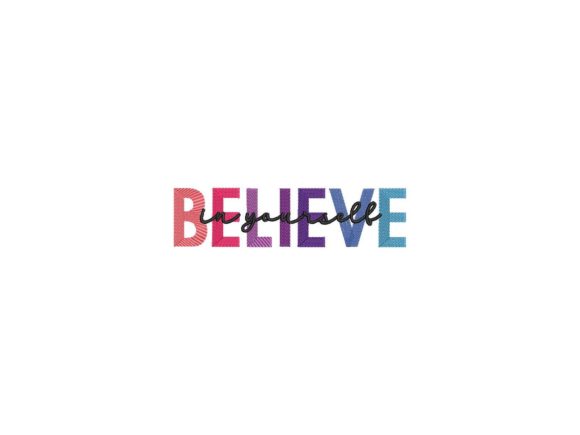
Review: Believe in Yourself Gradient Effect Design
As an embroidery designer who has spent years digitizing and reviewing files for commercial use, I approach every new machine embroidery design with a critical eye. It is not just about whether the art looks pretty on a screen; it is about how it translates to fabric, how it holds up in the wash, and most importantly, how it serves the brand identity of the small business owner purchasing it. Today, I am taking a close look at Believe in Yourself Gradient Effect, a digital file categorized under Friends Quotes, to determine its viability for professional merchandise and branded patch applications.
First Impressions: Visual Personality and Market Fit
The title Believe in Yourself Gradient Effect immediately suggests a modern, uplifting aesthetic. In the current market, motivational typography is a staple for lifestyle brands, creative studios, and wellness-focused businesses. The inclusion of "Gradient Effect" implies a sophisticated use of thread colors to create depth, moving away from flat, single-color stitching toward a more dynamic, premium look. This design feels less like a rustic, handmade craft item and more like a polished asset for contemporary small business merch.
For boutique owners and Etsy sellers, this visual personality is crucial. It strikes a balance between playful and elegant. It is bold enough to be read from a distance yet refined enough to sit comfortably on high-end apparel. When I review such files, I look for that "professional friendliness"—a tone that invites customer engagement without sacrificing brand authority. This design appears to hit that mark, offering a versatile option for brands that want to project positivity and confidence.
Real-World Application for Small Businesses
The true test of any digital embroidery file is its versatility across different products. Let us imagine a local café or a creative studio looking to expand their revenue streams through branded goods. Here is how Believe in Yourself Gradient Effect performs in various scenarios:
- Embroidered Patches: This is perhaps the strongest use case. A gradient design can look stunning on a twill or felt patch. Patches are low-risk inventory for small businesses because they can be applied to multiple products later. The gradient effect adds perceived value, making the patch feel like a collectible item rather than a simple logo.
- Custom Apparel and Uniforms: For staff uniforms, placing this design on the left chest of a work shirt or polo creates a subtle but impactful brand statement. It reinforces company culture internally while presenting a cohesive image to customers.
- Tote Bag Design: Canvas tote bags are a bread-and-butter item for bakeries, florists, and bookshops. The sturdy texture of canvas handles embroidery well. This quote would serve as an excellent central focal point, turning a utilitarian bag into a walking advertisement for the brand’s values.
- Cap Embroidery: While possible, caps require careful consideration. The curved surface of a cap front can distort complex gradients. However, if scaled correctly, this design could work as a stylish accent on dad hats or beanies, appealing to a younger demographic.
- Apron Embroidery: For artisanal brands, such as pottery studios or coffee roasters, embroidered aprons are both functional wear and marketing tools. This design adds a touch of warmth and personality to the worker’s uniform, enhancing the customer experience.
Technical Considerations and Production Challenges
While the aesthetic appeal is strong, technical execution is where many designs fail. As a designer, I must advise caution regarding specific production variables. The description notes that this is a digital design requiring an embroidery machine and a transfer method. It does not specify stitch count, file formats, or recommended hoop sizes. Therefore, due diligence is required before full-scale production.
Stitch Density and Fabric Texture: Gradient effects often rely on varying stitch angles and densities to create color transitions. On lightweight fabrics, high stitch density can cause puckering. It is essential to use the proper stabilizer—likely a cut-away for stretchy fabrics or a tear-away for stable wovens—to ensure the finished product remains flat and professional. Always test on the actual fabric you intend to use, as fabric texture significantly influences how thread colors blend.
Scale and Legibility: If you plan to use this on small items like pocket logos or tiny patches, verify that the lettering remains legible. Tiny lettering with gradient fills can become muddy if the stitches are too dense or if the thread colors lack sufficient contrast. I recommend creating a printable mockup at actual size to check readability before stitching a single thread.
Thread Color Contrast: The success of a gradient effect depends entirely on the thread palette. Ensure your machine is threaded with high-quality rayon or polyester threads that offer consistent sheen. Poor quality thread can break the visual flow of the gradient, making the design look striped rather than blended.
Enhancing Brand Identity and Customer Trust
Beyond the technical aspects, consider how Believe in Yourself Gradient Effect contributes to your brand identity. Consistent use of high-quality embroidery signals professionalism. When a customer receives a tote bag or wears a cap with crisp, well-executed stitching, it builds trust. It suggests that the business cares about details and quality.
This design fits seamlessly into a broader strategy of commercial embroidery projects. It can be part of a seasonal collection, a employee appreciation gift, or a limited-edition product drop. By aligning the message ("Believe in Yourself") with your brand values, you create an emotional connection with your audience. This is particularly effective for brands in the wellness, education, and creative sectors.
Practical Designer Notes for Implementation
Before adding this to your product line, follow these steps to ensure success:
- Test in Black and White: Before committing to colorful threads, stitch the design in black thread on white fabric. This reveals any issues with spacing, density, or legibility without the distraction of color.
- Check Hoop Size Compatibility: Confirm that the design fits within your machine’s maximum hoop size. If resizing is necessary, ensure the software maintains the integrity of the gradient effect.
- Verify Commercial Licensing: The product description states it is a digital design for machine embroidery. Always confirm the license terms. Ensure you have the right to use the design assets for physical goods sold in your shop.
- Create Client Mockups: If you are a decorator working for other businesses, create a high-quality printable mockup showing the design on various items. This helps clients visualize the final product and increases conversion rates.
- Compare with Existing Assets: Place this design beside your current logo and other Embroidery elements. Does it complement your visual consistency? Or does it clash? Cohesion is key to a strong brand presence.
In conclusion, Believe in Yourself Gradient Effect offers significant potential for small business owners and embroidery professionals. It is a versatile, emotionally resonant design that can elevate custom apparel, patches, and accessories. However, its success relies on careful technical execution and strategic placement. By respecting the nuances of stitch density, fabric choice, and scale, you can transform this digital file into a tangible asset that drives sales and strengthens brand loyalty. Always prioritize testing and quality control to ensure that every stitched piece reflects the professionalism your customers expect.