Cute Cactus: A Designer’s Review for Personalized Gifts
As an embroidery designer who spends countless hours digitizing and testing patterns, I approach every new machine embroidery design with a critical eye. It is not just about whether the image looks pretty on a screen; it is about how it performs under the needle, how it feels to the touch, and ultimately, how it resonates with the person receiving the finished item. Recently, I had the opportunity to test the Cute Cactus design, a charming addition to the Forest Trees category, specifically intended for personalized gift products. After running several test stitches and evaluating its potential for my own small shop product lineup, I am ready to share my honest assessment of this adorable pattern.
First Impressions: Charm and Emotional Appeal
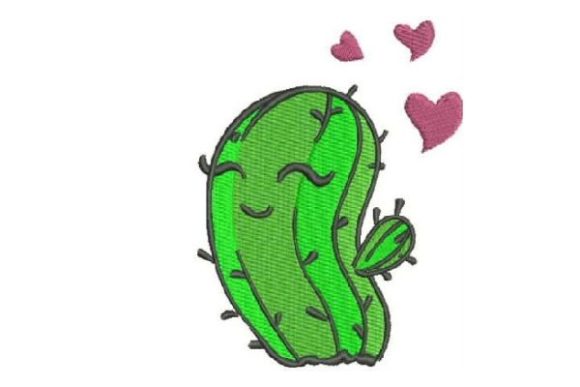
The moment I loaded the digital embroidery file into my software, the immediate impression was one of playful warmth. The Cute Cactus design exudes a sweet, handmade quality that feels both modern and timeless. It avoids being overly complex, which is often a blessing when working with smaller items or delicate fabrics. The mood is distinctly cheerful and inviting, making it an excellent candidate for projects that aim to bring a smile to someone’s face.
For those of us creating personalized gifts, emotional connection is everything. This design does not scream for attention with aggressive colors or chaotic lines. Instead, it offers a gentle, whimsical presence. It feels organic and soft, which aligns perfectly with current trends in nursery decor and handmade home goods. Whether you are targeting parents looking for unique baby items or friends seeking a thoughtful housewarming present, the aesthetic here is universally appealing. It strikes a balance between being cute enough for children and stylish enough for adult spaces.
Versatility Across Product Lines
One of the strongest assets of the Cute Cactus is its adaptability. In my review, I considered how this design would translate across various substrates. For baby embroidery, this design is a standout. Imagine it stitched onto a soft muslin swaddle or a organic cotton onesie. The simplicity of the cactus shape ensures that it remains legible and charming even at smaller scales, which is crucial for infant clothing where large hoops are impractical.
Beyond baby items, this design shines as a wedding gift accent. While traditional wedding motifs often lean toward florals, a subtle cactus can add a touch of personality for couples who love desert aesthetics or sustainable living themes. Picture this embroidered on a set of kitchen towels or a linen apron. It transforms a standard household item into a cherished handmade product.
For Etsy sellers and craft fair vendors, the commercial potential is significant. The design works beautifully on tote bags, where its bold yet simple lines can withstand the wear and tear of daily use. It also pairs well with pillow cover projects, adding a pop of character to neutral living room decor. If you are offering custom embroidery services, this design serves as an excellent base for adding names or dates, provided the lettering is kept proportional to the cactus itself.
Navigating Fabric Textures and Technical Challenges
While the design is versatile, it is not without its technical considerations. As experienced makers know, the success of any embroidery file depends heavily on the fabric texture and the stability of the hoop. When I tested Cute Cactus on thick, textured towels, I noticed that the finer details required careful tension adjustments. On looped terrycloth, there is a risk of the stitches sinking into the pile. To mitigate this, using a high-quality cut-away stabilizer is non-negotiable. It provides the necessary support to keep the design crisp and prevents puckering.
Another area requiring caution is stretchy fabric, such as those used in baby clothes. Because the design has a defined shape, stitching it directly onto jersey knit without proper stabilization can lead to distortion. I recommend using a hoop size that tightly secures the fabric without stretching it out of shape before stitching. Additionally, when working on dark fabric, thread color contrast becomes vital. The charm of the cactus relies on its visibility, so choosing vibrant, contrasting thread colors against navy or black backgrounds will ensure the design pops rather than disappears.
Curved surfaces, such as the toe of a sock or the corner of a blanket, also present challenges. The Cute Cactus has a central focal point, so placing it off-center on a curved item requires precise positioning to avoid visual imbalance. Always stitch a test run on scrap fabric that matches your final product’s weight and weave. This step allows you to check stitch density and ensure that the needle perforations do not weaken the fabric structure, especially on lightweight materials like voile or chiffon.
Enhancing Perceived Value and Customer Trust
From a business perspective, the choice of design directly impacts perceived value. A clean, well-digitized design like Cute Cactus signals professionalism. When customers see consistent stitch quality and thoughtful placement, their trust in your brand grows. This design contributes to a sense of high-quality craftsmanship because it avoids the cluttered look that can sometimes plague lower-quality digital files.
For product photography, this design is a dream. Its clear lines and friendly subject matter photograph well in natural light, making it easier to create engaging social media content. A well-stitched cactus on a neutral embroidered towel or a cozy blanket embroidery project creates an inviting image that drives buyer engagement. It tells a story of care and attention to detail, which is exactly what customers are paying for when they choose handmade over mass-produced goods.
Practical Notes for the Embroiderer
Before you begin your next batch of orders, here are some practical steps to ensure success with this design:
- Check File Formats: The product description notes that this machine embroidery design comes with multiple embroidery file formats. Ensure you select the format compatible with your specific machine brand to avoid conversion errors that might alter stitch paths.
- Verify Licensing: If you plan to sell finished products, confirm the commercial licensing terms associated with the digital embroidery file. Most designers allow sales of physical items but restrict the resale of the file itself.
- Test Stitch Density: Run a test on similar fabric to gauge the density. If the design feels too stiff, consider adjusting your stabilizer type or reducing the density slightly if your software allows.
- Contrast is Key: Create printable mockups or physical samples on both light and dark fabrics to determine the best thread palette. Earthy greens, soft pinks, and warm yellows often complement the cactus theme beautifully.
- Inspect Small Details: After stitching, examine the smallest elements of the cactus. Ensure there are no loose threads or jumped stitches, as these detract from the polished look of a premium gift.
Final Thoughts on Cute Cactus
In the world of Embroidery, finding a design that balances ease of use with aesthetic appeal is rare. The Cute Cactus manages to achieve this balance, making it a valuable asset for anyone in the personalized gift industry. Whether you are creating a sentimental baby keepsake, a quirky wedding favor, or a best-selling item for your online store, this design offers the flexibility and charm needed to succeed. By paying attention to fabric choice, stabilization, and thread selection, you can transform this simple digital file into a tangible expression of care. It is a delightful addition to the Forest Trees collection, proving that sometimes, the simplest designs leave the most lasting impression.