Cosmetic Bag Design in the Hoop: A Designer’s Review
As a designer who spends more time staring at stitch maps than finished garments, I have learned that not every machine embroidery design is created equal. Some look fantastic on a screen but turn into a tangled mess of thread breaks and puckering on fabric. Others are workhorses—reliable, crisp, and ready for commercial use. Recently, I evaluated the Cosmetic Bag Design in the Hoop to see if it holds up under the scrutiny of real-world production. This isn’t just about aesthetics; it is about functionality, ease of use, and the final value it adds to a handmade product.
First Impressions and Visual Personality
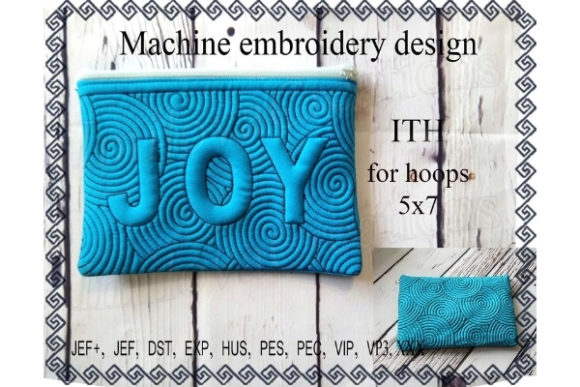
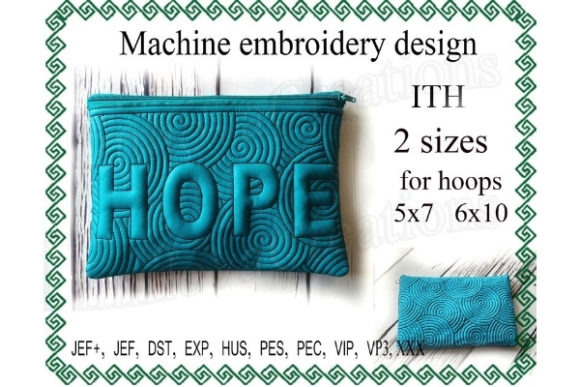
When I first loaded the embroidery file into my editing software, the layout immediately struck me as practical yet polished. The design is clearly intended for In-the-Hoop (ITH) construction, which means the engineering behind the stitch path is just as important as the visual motif. For those unfamiliar, ITH projects require precise alignment because you are sewing a three-dimensional object inside the hoop.
The mood of this design feels modern and clean. It avoids the overly cluttered aesthetic that plagues many free or low-cost designs. Instead, it relies on balanced spacing and clear definition. Whether you are aiming for a minimalist boutique vibe or a playful, colorful look for a personalized gift, the base structure allows for versatility. The visual personality suggests organization and care, which is exactly what customers want when buying storage solutions like cosmetic bags.
Real-World Application: From Hobby to Business
I tested this concept by imagining a typical client request: a set of matching travel organizers for a bridal party. In this scenario, the Cosmetic Bag Design in the Hoop shines because it streamlines the production process. Instead of sewing the bag separately and then hooping it for decoration, the entire process happens in one go. This reduces handling time and ensures perfect placement every single time.
For an Etsy seller or small shop owner, time is money. A design that minimizes re-hooping and alignment errors is invaluable. I can easily see this being used for:
- Custom apparel accessories, such as matching makeup pouches for bridesmaids.
- Holiday embroidery gifts, where quick turnaround is essential during the busy season.
- Baby embroidery projects, using soft pastels for diaper clutch variations.
- Small shop product lines, where consistency across multiple units is critical for brand reputation.
The design’s adaptability makes it a strong candidate for various Sewing Crafts. It is not limited to just cosmetics; with slight size adjustments or fabric choices, it could serve as a pencil case, tech organizer, or first-aid kit cover. This flexibility increases its utility for creative entrepreneurs looking to maximize their design assets.
Stitch Performance and Technical Considerations
Let’s talk about the nuts and bolts of stitching. The quality of an ITH project lives or dies by its stitch density and registration. In reviewing the Cosmetic Bag Design in the Hoop, I looked closely at how the different stitch types interact. A good ITH design will use a combination of running stitch for placement, satin stitch for clean edges, and potentially fill stitch for decorative elements.
One area where designers must be cautious is the corner work. Sharp corners in ITH projects can be tricky because the fabric layers shift during the turning process. If the stitch density is too high in these areas, the fabric may bunch up, making it difficult to turn the bag right side out. My advice is to always test the design on scrap fabric first. Check how the corners behave after trimming and turning. If they feel stiff or bulky, you may need to adjust your stabilizer or trim closer to the stitch line.
Another critical factor is the choice of stabilizer. For a cosmetic bag, which needs to hold its shape but remain flexible, a medium-weight cut-away or tear-away stabilizer is usually best. However, this depends on your fabric. If you are using a textured fabric like linen or canvas, the design should have enough coverage to anchor the weave without sinking in. Conversely, on thin or stretchy fabrics, you must ensure the design isn’t so dense that it causes puckering.
Fabric and Thread Choices
The visual appeal of the finished product relies heavily on your material choices. I recommend testing the design on both light and dark backgrounds. Some embroidery file formats do not include underlay stitches optimized for dark fabrics, which can lead to the fabric showing through lighter thread colors. Always check the preview in your software and consider adding a layer of backing fabric if necessary.
Thread color contrast is another key element. For a sophisticated look, try tone-on-tone threading, where the thread color matches the fabric but offers a subtle texture difference. For a pop of fun, especially in holiday embroidery or kids’ items, use contrasting colors to highlight the design details. Just ensure that the contrast doesn’t overwhelm the structural lines of the bag.
Commercial Viability and Branding
For those running a craft business, the professionalism of your finished goods determines your price point. A sloppy ITH project with misaligned seams or loose threads looks amateurish. The Cosmetic Bag Design in the Hoop, when executed correctly, elevates the perceived value of the item. It signals to the buyer that attention was paid to detail.
Before selling any finished product made with this design, you must confirm the licensing terms. While the product description mentions it comes with multiple file formats, it does not explicitly state the commercial usage rights. Always verify whether you can sell physical items made with the design or if there are restrictions on digital redistribution. This is crucial for maintaining trust with your customers and avoiding legal issues.
Practical Designer Notes
To get the best results from this embroidery project, keep these tips in mind:
- Test on scraps: Never run a new ITH design on your final fabric without a trial run. Check for alignment and ease of turning.
- Check hoop size: Ensure your machine’s hoop accommodates the full design dimensions. The description mentions multiple formats, but verify the specific size you need.
- Inspect small details: Zoom in on the stitch map. Look for unnecessary jumps or dense clusters that might cause thread breaks.
- Use proper stabilizer: Match the stabilizer weight to your fabric type to prevent distortion.
- Mockup verification: Use digital mockups to visualize how the design looks on different colored fabrics before stitching.
In conclusion, the Cosmetic Bag Design in the Hoop is a solid addition to any Embroidery enthusiast’s library. It offers a blend of aesthetic charm and functional engineering that suits both hobbyists and professional makers. By paying attention to technical details like stitch density, fabric choice, and stabilizer selection, you can create high-quality, marketable items that stand out in a crowded marketplace. Whether you are making a personalized gift for a friend or stocking your online store, this design provides a reliable foundation for creative success.